Fat Removal
10 Workouts for Losing Inner Thigh Fat in 7 Days


Without a fat removal procedure, it's highly unlikely you'll see a noticeable drop in inner thigh fat in 7 days, and no exercise can burn fat from one spot. What these 10 inner thigh workouts can do is strengthen and tone your legs while diet and cardio lower body fat everywhere, thighs included. Here's what causes inner thigh fat, which moves help, and what results to realistically expect.
What Causes Inner Thigh Fat?
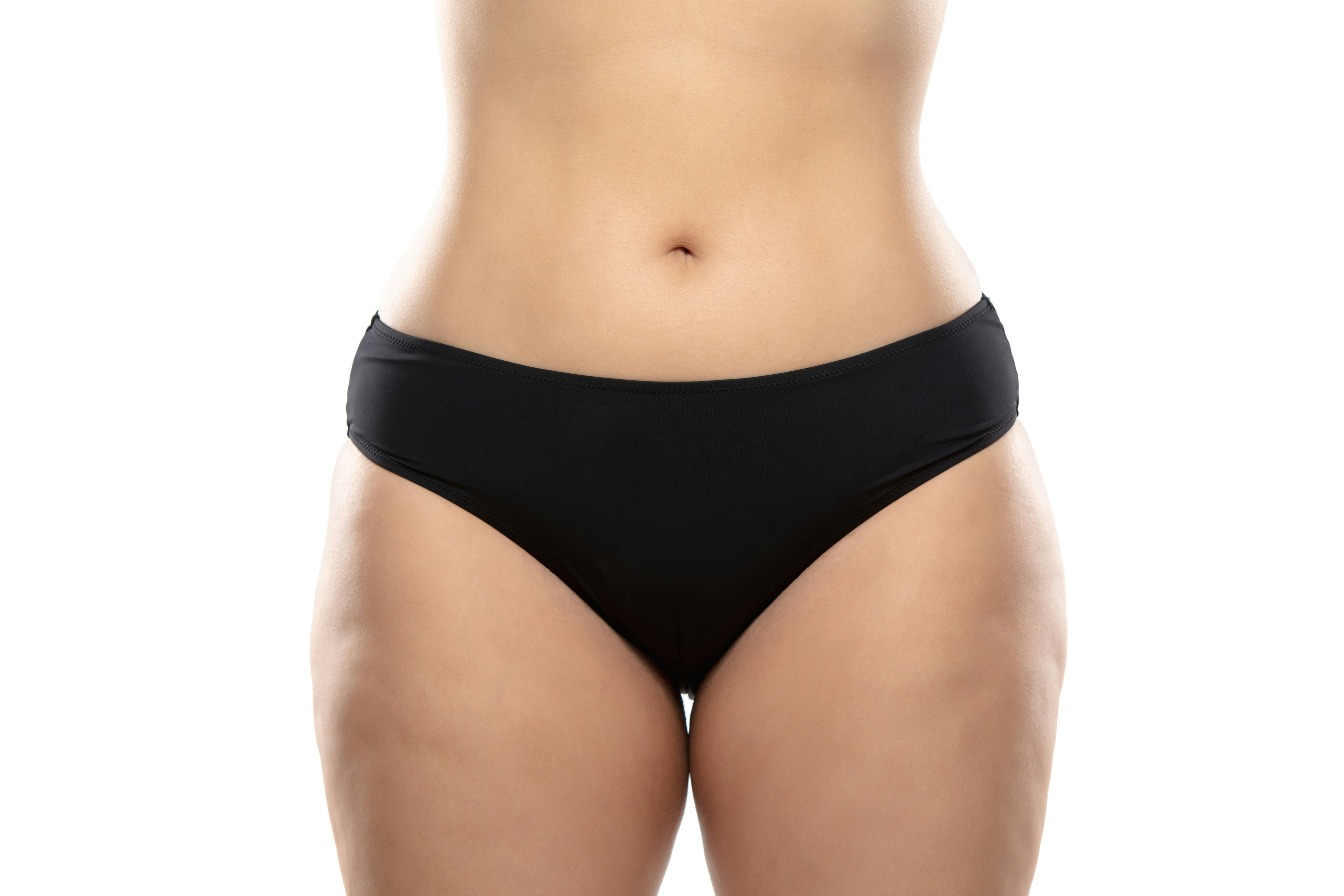
If your inner thighs hold on to fat no matter how hard you train, you're in good company. The thighs are a common place for the body to store fat, especially in women, because of genetics, hormones, and natural fat distribution. Age and overall weight gain play a part too.
Genetics and Fat Distribution
Your genes play a big role in where your body prefers to store fat, and for some people that means the lower body holds on to it longer. Women tend to store extra fat in the hips, lower stomach, and inner thighs, while men tend to carry it around the abdomen and inner thighs.
That's why your face and arms might slim down well before your thighs start to change.
Hormones
Estrogen encourages fat to settle in the hips and thighs as a way of preparing the body for pregnancy. Hormonal shifts from polycystic ovary syndrome (PCOS, a hormone condition) and menopause can also add to fat in the thigh area.
Age and Muscle Loss
As we age, metabolism slows down, making it easier to gain weight and store fat in the thighs. Strength training helps you keep muscle mass as you lose weight. That's worth protecting, since a body with more lean muscle burns more calories, even at rest.
Overall Weight Gain
When you eat more calories than you burn, your body stores the extra as fat, and your genetic makeup decides where it goes. A sedentary lifestyle, meaning long stretches of sitting with little movement, makes it easier to take in more calories than you burn, which can lead to extra fat on the inner thighs.
Can Inner Thigh Workouts Burn Inner Thigh Fat?
Inner thigh workouts strengthen and tone your leg muscles, though they can't choose which fat your body burns. Think of them as building the shape underneath while your overall habits lower the fat on top.
Why Spot Reduction Doesn't Work
Spot reduction, the idea that working one body part burns the fat covering it, is a myth. Your body sheds fat all over when you're in a calorie deficit, which means taking in fewer calories than you burn. The pattern of that loss depends on factors like age, hormones, and genetics.
For a deeper look, read our guide on whether spot reducing fat is really possible.
What Inner Thigh Exercises Actually Do
Thigh exercises tone the leg muscles, improve balance, and increase the calories you burn. Side lunges in particular target the inner thighs.
The catch is visibility. Even well-developed muscles can stay hidden under a layer of inner thigh fat.
10 Inner Thigh Workouts
These 10 moves tone your legs by building muscle, and they work best alongside cardio and a calorie deficit. If you're new to exercise or managing an injury, check with your doctor before you start.
Forward Lunges
Stand tall and step one foot forward. Lower until both knees bend to about 90 degrees, then push through your front heel to stand back up. Switch legs, and add light dumbbells once bodyweight feels easy.
Wall Squats
Press your back flat against a wall and slide down until your knees are bent, like you're sitting in an invisible chair. Hold for 20 to 30 seconds, then slide back up. Some people like to squeeze a pillow between their knees here to feel the inner thighs working.
Leg Circles
Lie on your back with your arms at your sides and one leg pointed toward the ceiling. Draw 10 small, slow circles in each direction while keeping your hips still. Then switch legs.
Leg Extensions
Sit on a leg extension machine or a sturdy chair. Straighten your legs until they're level with your hips, then lower slowly. This isolation move tones specific muscles, but it gives less of a metabolic boost than compound moves that work several muscle groups at once.
Stair Climbing
Take the stairs at a steady pace or use a stair machine. Step-ups, a close cousin of stair climbing, are especially good for engaging the thighs and offer more cardio benefit than other compound leg exercises.
Gate Swings
Start with your feet together. Hop your feet out wide into a shallow squat, then hop them back in, like a gate swinging open and shut. Keep a steady rhythm for 30 to 45 seconds.
Pliés
Stand with your feet wider than your hips and your toes turned out. Bend your knees in line with your toes and lower with your chest upright, then press back up. Move slowly and pause at the bottom.
Pilates Side Splits
This move is often done on a Pilates reformer, but you can try it at home with a towel under one foot on a smooth floor. Slide that foot out to the side as far as feels comfortable. Then squeeze your inner thighs to draw it back in.
Frog Jumps
Sink into a deep squat with your feet wide and your hands near the floor. Jump forward, land softly in the squat, and repeat. Ease into high-intensity moves like this one if you're getting back into exercise, because the risk of injury can run high.
Single-Leg Deadlifts
Stand on one leg with a soft bend in the knee. Hinge at your hips and reach toward the floor as your free leg extends behind you, then return to standing. As an accessory exercise, aim for 2 to 3 sets of 12 to 20 reps with 60 to 90 seconds of rest.
How to Build These Into a Weekly Routine
The easiest plan is to train your lower body 2 to 3 times a week and pair it with regular cardio. Rather than doing every move in one workout, choose a couple for any given session.
A balanced session pairs a hip-hinge move, which bends at the hips, with a knee-dominant move like lunges or stair climbing. Here's one sample week you can adjust to your fitness level:
- Monday: forward lunges, single-leg deadlifts, leg circles
- Tuesday: 30 minutes of cardio
- Wednesday: wall squats, pliés, Pilates side splits
- Thursday: rest or an easy walk
- Friday: stair climbing, single-leg deadlifts, leg extensions
- Saturday: 30 minutes of cardio, plus gate swings and frog jumps
- Sunday: rest
For cardio, aim for at least 30 minutes, at least three times a week. For weight loss, the American College of Sports Medicine recommends 150 to 250 minutes of moderate-intensity activity each week. Rest matters as much as training, so aim for at least seven hours of sleep a night.
Supporting Fat Loss Through Diet
When it comes to diet versus exercise, what you eat may matter more for fat loss. Running for 30 minutes can burn about the same number of calories as a slice of pizza you can eat in 60 seconds.
The key is a calorie deficit. Eating about 500 fewer calories a day can lead to roughly a pound of fat loss per week. A rate of 1 to 2 pounds a week is sustainable and helps you avoid starvation mode, when the body tries to conserve calories.
Calorie deficits aren't meant to last forever, and staying in one too long can carry health risks, especially with a demanding workout plan. Build meals around protein, healthy fats, and complex carbohydrates. Fill half your plate with vegetables, choose lean proteins, and cut back on processed foods and sodium.
You can stay in a deficit and still feel full by eating larger portions of low-calorie foods. Men often carry fat around the abdomen and inner thighs, so our fat loss tips curated for men are worth a read too.
How Long Does It Take to See Results in the Inner Thighs?
Results from inner thigh workouts often start to show after 4 to 6 weeks of strength training and dieting, with gym sessions at least three times a week. Significant changes in body composition often take 3 to 6 months, and the thighs are often the last place the body loses fat.

In the first week or two, you may notice less bloating or a temporary muscle pump that makes your thighs look slimmer without true fat loss. Everyone's timeline is different, so talk with your doctor or a certified trainer about goals that fit your body. Our guide to the truth about thigh workouts and treatments covers more.
When Exercise Isn't Enough
If you've been consistent for several months and your inner thighs still won't change, you're not alone. For many people, stubborn thigh fat simply comes down to biology. For some individuals, diet and exercise will never get rid of stubborn pockets of fat.
Before exploring treatment, try adjusting your training, reviewing your nutrition with a registered dietitian, or working with a certified personal trainer. If the area still won't budge, it helps to know which concern you're dealing with.
Saddlebags vs. inner thigh fat. Saddlebags are the fat bulge on the outer sides of the thighs, while inner thigh fat sits along the inside of the legs. Inner thigh skin also tends to be looser than outer thigh skin, so each area can call for a different approach.
Banana rolls. A banana roll is a small, crescent-shaped pocket of fat just beneath the buttocks crease, at the top of the upper thigh.
Liposuction. Liposuction can reduce stubborn fat in the inner and outer thighs. It carries risks including bruising, pain, scarring, and swelling. Strenuous activity isn't recommended after liposuction, and gym workouts are typically paused for 4 to 6 weeks.
Thigh lifts. A thigh lift, also called thighplasty, removes extra skin and fat to tighten and reshape the thighs. The most popular version, an inner (medial) thigh lift, uses incisions in the groin fold to lift and tighten loose inner thigh skin. Liposuction doesn't address loose skin, so some patients with reduced skin elasticity consider a thigh lift.
Cellulite. Cellulite forms when fat pushes against bands of connective tissue under the skin, creating dimples and bumps. Liposuction doesn't improve the look of cellulite, but your surgeon can recommend other procedures for it.
The best way to know which thigh-sculpting option may suit you is to talk it through with a board-certified surgeon.
How Inner Thigh AirSculpt® Works
Inner Thigh AirSculpt® is a minimally invasive treatment that permanently removes stubborn inner thigh fat, cell by cell, through entry points about the size of a freckle. Here's what happens during treatment:
- Your surgeon numbs the skin with an AirPen, a device that uses air pressure to spread a topical numbing solution.
- A biopsy punch tool, a small round instrument, creates an entry point about two millimeters wide.
- After a local anesthetic is applied, the AirSculpt cannula, a thin tube, gently plucks individual fat cells from the treatment area.
- The cannula's speed creates frictional heat that helps tighten the skin as fat is removed.
You might picture it a little like plucking grapes off a vine, one at a time, since the cannula removes fat with a delicate plucking motion. You stay awake throughout, and no general anesthesia is used. Patients typically walk out the same day and usually return to work within two days.

Recovery comes with a few rules. Compression garments are part of the process, and strenuous activity is off-limits for a while afterward, so ask your surgeon when you can get back to lunges and stair climbs. Like any procedure, AirSculpt carries risks, including bruising, pain, scarring, and swelling.
The treated fat cells are removed for good, so they don't come back; if you gain weight later, it tends to show up in untreated areas. The best candidates are close to their healthy weight, and fat removal is no substitute for weight loss. Patients who also want tighter skin can add AirSculpt+, which combines fat removal with skin-tightening technology.
Your workouts still matter after treatment. Exercise builds strength and health, while AirSculpt targets the stubborn fat that exercise can't reach. Whether it's right for you is confirmed during a free consultation with your surgeon.
Inner Thigh Workout FAQs
Can you spot-reduce inner thigh fat with exercise?
You can't spot-reduce inner thigh fat with exercise, because your body loses fat throughout the whole body in a pattern set by genetics and hormones. Inner thigh workouts still help by building and toning the muscles underneath. Pair them with cardio and a calorie deficit to lower your overall body fat, which can include your thighs over time. If stubborn fat remains after consistent effort, a surgeon can walk you through your options.
Why is it so hard to lose inner thigh fat?
Inner thigh fat is hard to lose because genetics, hormones, and natural fat distribution make the thighs a common place for fat storage, especially in women. Estrogen encourages fat to settle in the hips and thighs. The thighs are also often the last place the body loses fat, so they can lag behind even when you're slimming down elsewhere. If the area won't respond, a surgeon can help you understand why.
How long does it take to see results from inner thigh workouts?
Many people start to notice results after 4 to 6 weeks of consistent strength training and dieting, with workouts at least three times a week. More significant changes in body composition often take 3 to 6 months. Seeing a real drop in inner thigh fat in just 7 days is highly unlikely without a fat removal procedure. Your timeline depends on your body, so check in with your doctor or trainer about realistic goals.
What is the difference between muscle toning and fat reduction?
Muscle toning builds strength and definition in a muscle, while fat reduction lowers the fat that sits on top of it. Leg exercises tone the thighs by building muscle, though they don't burn thigh fat directly. Fat loss happens when your body burns more calories than it takes in. You need both, because even toned muscles can stay hidden under inner thigh fat. A surgeon or trainer can help you decide where to focus.
Ready to Talk to a Specialist?
You've put real work into your legs, and it's okay to want a little help with the fat that won't move. Book a Free Consultation to talk with a surgeon about your goals and what's realistic for your body. You can also watch individual procedure videos to see how our treatments work before you visit.