Fat Removal
Sacral Fat Pad Tips: Why They Form and How to Lose Them


A sacral fat pad is a pocket of fat in your lower back, just above your tailbone. It usually builds up from extra calories over time, while genetics and hormones help decide whether your body stores it there. Whole-body fat loss can help shrink it, and when diet and exercise stall, a procedure like AirSculpt® may be worth discussing with a surgeon.
What Is a Sacral Fat Pad?
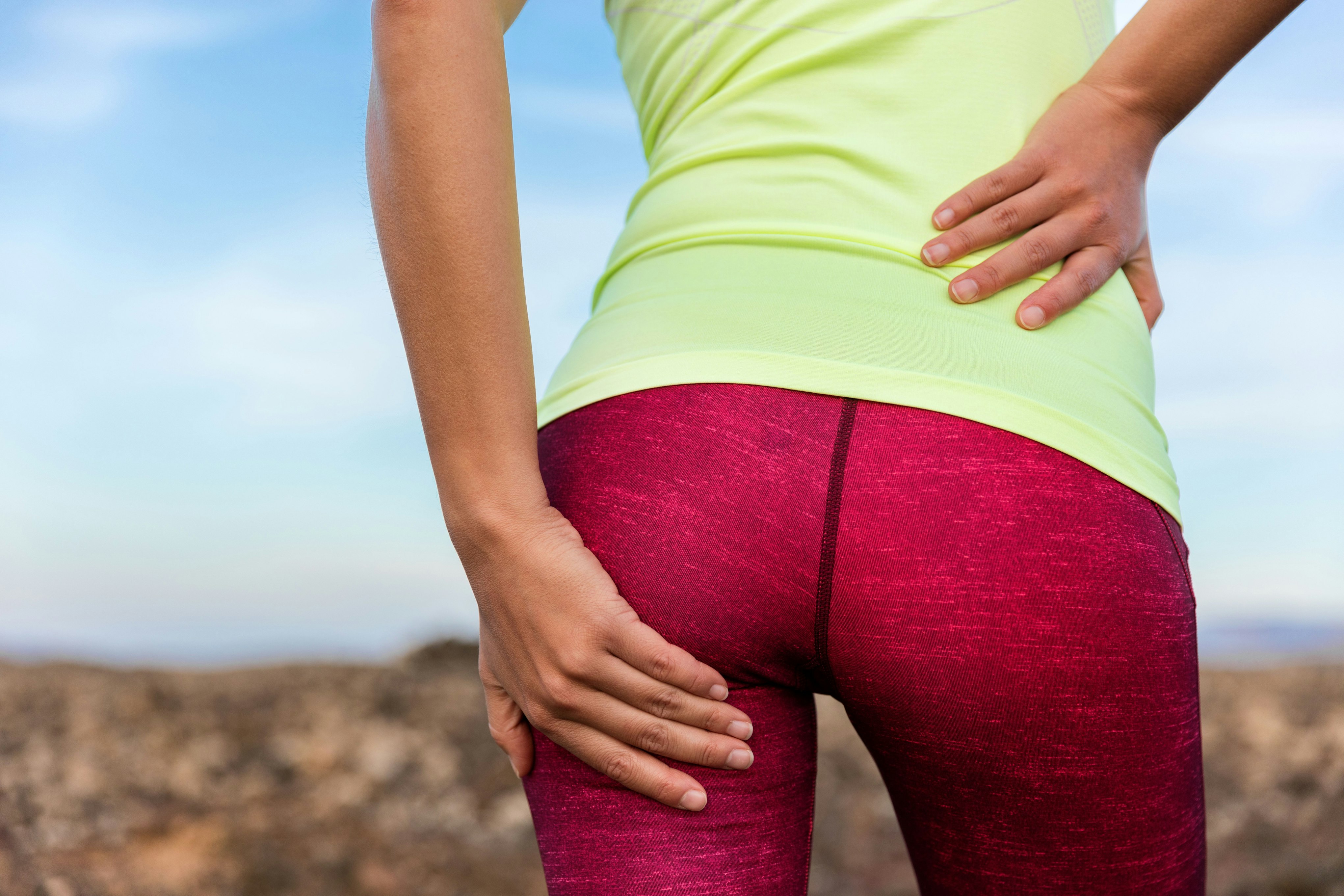
A sacral fat pad is a layer of fatty tissue in the lower back region, sitting right above the tailbone (coccyx). It's named for the sacrum, the bone at the base of your spine.
Some fat here does a real job: it cushions the tailbone and supports you while you sit or lie down. You may also hear it called a fat patch above the buttocks, and it's often a mix of extra buttock, back, or waist fat.
The fat in this part of the back sits in a single subcutaneous layer, meaning it's just under the skin. Excess sacral fat is commonly associated with a higher risk of heart disease, diabetes, and metabolic disorders. It can also add to lower back pain and posture imbalances. If you have questions about your overall health, your doctor is the best person to ask.
What Causes a Sacral Fat Pad to Form?
A sacral fat pad usually forms for the same reason fat builds up anywhere: eating more calories than your body uses. Genetics, hormones, and aging then shape where your body tends to store that fat.
Caloric Surplus and Diet
A caloric surplus simply means taking in more calories than you burn. Diets heavy in processed foods, sugar, sodium, and fat tend to cause weight gain. Even a healthy diet leads to weight gain if you take in more calories than you burn.
Genetics and Fat Distribution
Your genes help decide where fat shows up, and some people tend to pack it onto the lower back. Many of us are genetically inclined to hold fat there as a backup energy source. Even so, your daily habits generally decide whether you carry extra fatty tissue in the first place.
Hormones
Hormones can also cause fat to collect around the tailbone. Good sleep helps lower cortisol, a stress hormone linked to excess weight and to ghrelin, your body's hunger hormone. Metabolic conditions such as a thyroid problem can play a role too. If you suspect a hormone issue, a checkup with your doctor is a smart first step.
Sedentary Lifestyle
Hours of sitting add up, and many people spend 8 to 9 hours seated at work, then 3 to 4 more in front of the TV. The lower back is often under-trained, and the way we sit, walk, and sleep can weaken those muscles over time. We also tend to lose back muscle as we age, which can help fat pockets form.
Is a Sacral Fat Pad the Same as Lower Back Fat?
A sacral fat pad is one specific kind of lower back fat: the pocket that settles around the tailbone and upper buttocks. Back fat usually shows up in one or more of three places:
- Upper back: fat that spills past the bra straps
- Mid-back: folds of fat at the back of the waist
- Lower back: a thick pocket running across the top of your pants
To see which area bothers you most, stand up straight with a mirror behind you and hold a second mirror in your hand.
Sacral Fat Pad vs. Lipoma: How to Tell the Difference
The surest way to tell the difference is to have a doctor examine the area in person. Fat that feels soft when you press on it is subcutaneous fat, the layer just beneath the skin.
If what you feel seems more like a separate lump, or if the area is changing, it's worth getting it checked before you try to diet it away. A dermatologist or plastic surgeon can assess a growth and may suggest a biopsy, a small tissue sample, before recommending removal.
If a lump worries you, mention it during your AirSculpt consultation too, so your surgeon has the full picture.
Can You Lose a Sacral Fat Pad With Exercise?
Exercise helps shrink a sacral fat pad as part of whole-body fat loss, paired with a steady diet and cardio plan. Cardio raises the calories you burn, and a standard guideline is about 75 to 150 minutes of moderate-intensity exercise per week.
Strength training burns less fat than cardio, and it tones the muscles underneath for a firmer look. For more ideas, try these muffin top exercises that help reduce belly fat.
Why Spot Reduction Doesn't Work
Spot reduction, the idea that working one muscle burns the fat sitting on top of it, doesn't actually work. Your body loses fat all over during a calorie deficit, and genetics decide which areas slim down first. That's why stubborn spots like the lower back are often the last to change.
When you lose weight, your fat cells shrink as they use up their stored contents, and they can grow again if you regain weight. For a deeper look, read our guide on whether spot reducing fat is really possible.
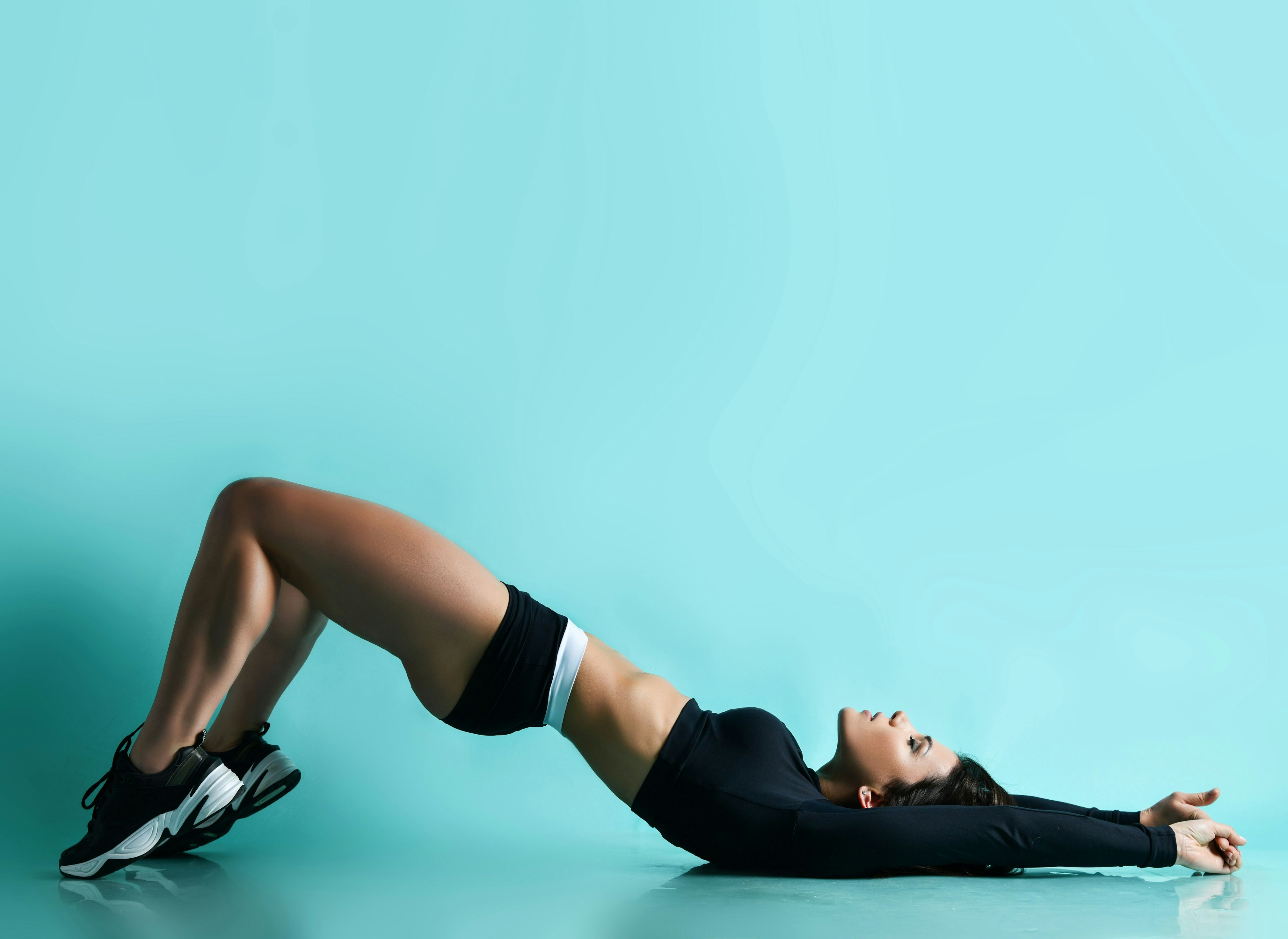
Bridge Pose
The bridge pose engages your glutes, hamstrings, and lower back muscles.
- Lie on your back with knees bent and feet flat on the floor.
- Rest your hands at your sides, palms down.
- Press through your heels and lift your hips, squeezing your glutes.
- Hold for a few seconds, then slowly lower your hips.
- Repeat for your chosen number of reps.
Bird Dog
The bird dog works your core, lower back, and glutes.
- Start on your hands and knees, with hands under shoulders and knees under hips.
- Brace your core, then reach your right arm forward and your left leg back.
- Keep your hips level and your back flat.
- Hold for a few seconds, then return to the start.
- Switch sides and repeat.
Plank
The plank strengthens your core and engages the muscles around the sacral region.
- Start in a push-up position, with hands under shoulders and toes on the floor.
- Brace your core so your body forms a straight line from head to heels.
- Hold as long as you can keep good form.
- Rest, then repeat for a few sets.
Lifestyle Changes That Support Fat Loss
Beyond diet and exercise, a few daily habits can support your fat loss:
- Aim for a modest calorie deficit. Cutting 300 to 500 calories a day can help you lose about a pound or two of fat each week.
- Cut back on refined carbs and sugar. White bread, pasta, candy, and sugary drinks are good places to start.
- Build meals around lean protein and vegetables. Pairing these foods with regular exercise is a solid plan for lower back fat.
- Sleep 7 to 9 hours. Too little sleep can disrupt hormones and increase appetite.
- Manage stress. Chronic stress can contribute to weight gain, so meditation, yoga, or a favorite hobby can help.
- Move throughout the day. Take the stairs and walk or bike to nearby places.
- Track your progress. Measurements, weight, and body fat percentage show you what's working.
Be patient with yourself. These habits take time and consistency, and short-term changes can be small.
When Is a Procedure Needed to Remove a Sacral Fat Pad?
A procedure is a personal choice, and it's usually worth exploring once diet and exercise have plateaued and the fat pad is still there. Because of genetics, some people can't fully lose fat above the buttocks, even with a disciplined routine.
AirSculpt is designed for adults over 18 with unwanted, pinchable fat anywhere from the chin to the ankle. It isn't a weight loss treatment, and it may not help if your main concern is visceral fat, the deeper fat that surrounds your internal organs.
Several surgical options treat back fat, including liposuction, laser liposuction, and Lipo 360. In traditional lower back liposuction, a surgeon moves a cannula (a thin tube) through an incision to break up and suction out fat, often with general anesthesia. Many patients return to work about 7 days after that procedure.
Nonsurgical fat reduction is another path, though it's meant for small bulges and may take multiple sessions. An in-person consultation with a plastic surgeon is typically the best place to start when weighing which approach may fit your body and goals.
How AirSculpt® Can Contour the Lower Back
Lower Back AirSculpt® is a minimally invasive procedure that lets surgeons target just the tailbone fat pad while sparing the areas around it. It doesn't use scalpels, stitches, or general anesthesia. You stay fully awake the whole time.
Here's how the patented AirSculpt technology works, step by step:
- Needle-free numbing. The surgeon uses an AirPen, which applies anesthetic with pressurized air.
- A tiny entry point. A biopsy punch tool makes a 2-millimeter opening. For the tailbone, one entry point sits just above the buttock crease.
- Local anesthetic. A numbing solution softens the fat for extraction.
- Cell-by-cell removal. A patented cannula gently plucks fat cells, like berries off a bush.
- Natural healing. The opening heals on its own, leaving a freckle-sized mark at worst.
Treatments last between 30 minutes and a couple of hours, depending on how much fat is removed. Many patients treat the tailbone along with the back, waist, or stomach, though it can be done on its own. Lower Back AirSculpt is also commonly paired with a fat transfer.
Sculpting the tailbone can create a more sloped profile that helps the buttocks look curvier. Treating the tailbone alone won't change your waist size.
Recovery. Downtime after Lower Back AirSculpt usually lasts one to two days. You'll wear compression garments for at least 2 weeks and take daily walks. Strenuous exercise is off-limits for the first 2 weeks. You can shower 48 hours after treatment.
Results. The lower back tends to swell moderately, and swelling and bruising begin to ease around 2 weeks after treatment. Final results generally appear between 3 and 6 months. As with liposuction, removed fat cells don't grow back, but the remaining cells can still expand if you gain weight.
Risks. Side effects can include bruising and swelling. Drainage from the entry point may last from a day to a few weeks, and you'll get supplies and instructions to keep it clean and help prevent infection. Liposuction procedures in general can carry risks like infection, irregular contours, changes in skin sensation, and fluid buildup. Please consult your surgeon about your personal risks and whether you're a good candidate.
Want to see the technology up close? Watch our individual procedure videos.
Sacral Fat Pad FAQs
What is a sacral fat pad?
A sacral fat pad is a layer of fatty tissue that builds up in the lower back, just above the tailbone (sacrum). Excess fat in this area is commonly associated with a higher risk of cardiovascular disease, diabetes, and metabolic disorders.
What causes a sacral fat pad to form?
It typically forms from a caloric surplus over time, though genetics, hormones, and a sedentary lifestyle can all influence where your body tends to store fat.
What exercises help tone the sacral area?
Bridge pose, bird dog, and plank all engage the glutes, core, and lower-back muscles that support this region.
When is a procedure needed to remove a sacral fat pad?
If diet and exercise have plateaued and the fat pad persists, a targeted procedure like AirSculpt® may be an option worth discussing with a provider.
Is AirSculpt® permanent for sacral/lower back fat?
AirSculpt® removes fat cells from the treated area, and those specific cells don't return, though new fat can still accumulate elsewhere without lifestyle maintenance.
Ready for a Personalized Consultation?
If a stubborn sacral fat pad is still hanging on after all your hard work, a conversation with a surgeon may be a helpful next step. All AirSculpt consultations are free, and you can meet in person at one of our offices or virtually from home. During your consultation, you'll have the chance to talk with a surgeon about your body contouring goals and which treatments may suit you best.
Book a Free Consultation to get started.